
sensor parts injection molding

Precision Injection Molding for Sensor Components

From in-house mold development through automotive-grade mass production — engineering-led injection molding for the most demanding sensor applications.

Precision

Dimensional Stability You Can Measure

Part-to-part consistency, not just first-article accuracy — engineered from mold design forward.

Mold flow simulation predicts warp before steel is cut. Conformal cooling holds cavity temperature uniform. SPC data available for customer audit — Cpk reports issued with every PPAP.

±0.02
mm

Critical Tolerance

≥1.67

Cpk Process Capability

<100

PPM Defect Target

SPC

Every Production Run

sensor parts injection molding

Injection Molding

Injection Molding Capabilities

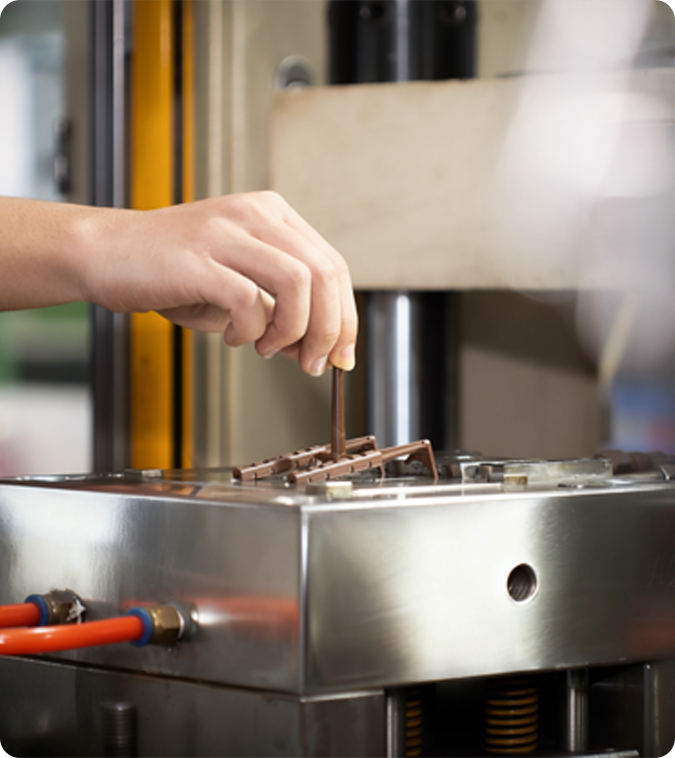
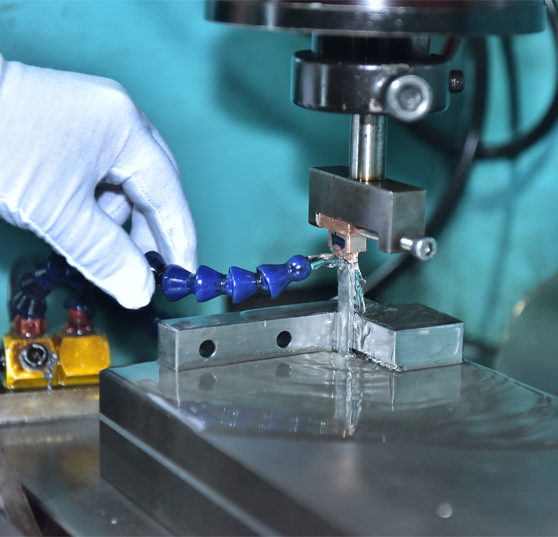
In-House Mold Development
Multi-axis machining for high-precision small metal components.
±0.005 mm · Stable Quality · Automotive Grade
Automated Injection Molding
Electric molding systems for stable, high-efficiency production.
In-house Production · Insert Molding · Stable Quality
Engineering Material Processing
Support for PA66, PBT, LCP, PPS, and other automotive-grade materials.
PA66 · PPS · LCP · High Temperature Resistance
Insert Molding Capability
Integrated molding for terminals, PcBs, and precision sensor components.
Insert Molding · Connector Assembly · Reliable Sealing

Structure

E-Tech Handles Complex Geometry

Thin walls, tight channels, multi-material integration - the structures sensor housings demand.
thin-wall-micro-structures
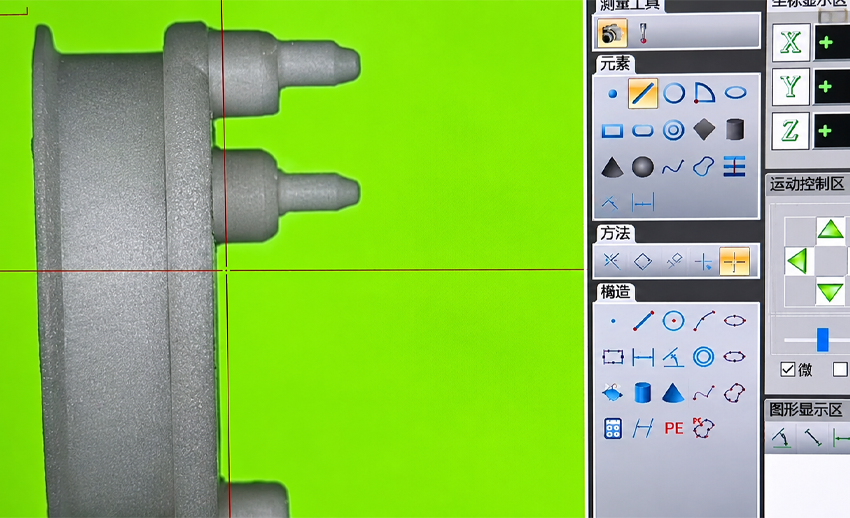
Thin-Wall & Micro Structures

Wall thickness ≥ 0.4 mm. Snap-fit hooks, micro-ribs, and internal channels for sensor cavity sealing.

Wall ≥0.4mm

Snap-fit

Internal channel
insert-overmolding
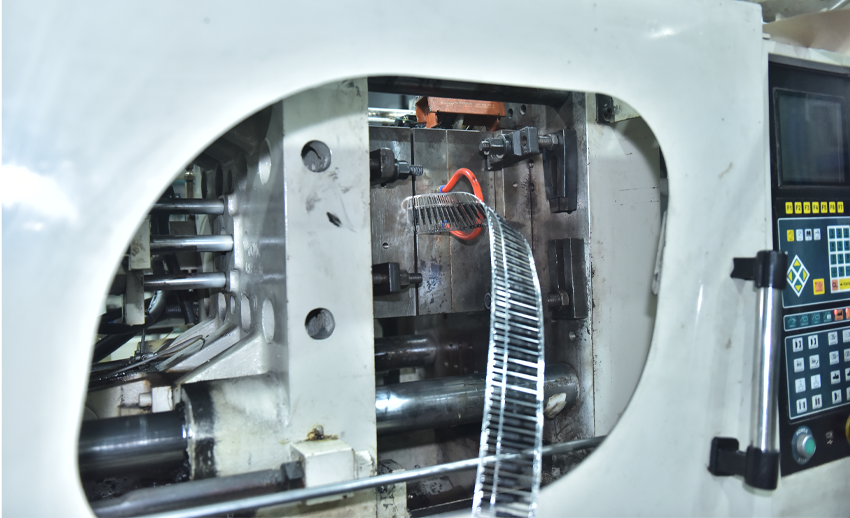
Insert & Overmolding

Metal inserts, PCB mounting pads, elastomer seals co-molded in a single cycle.

Metal insert

2K overmold

Connector
multi-cavity-production
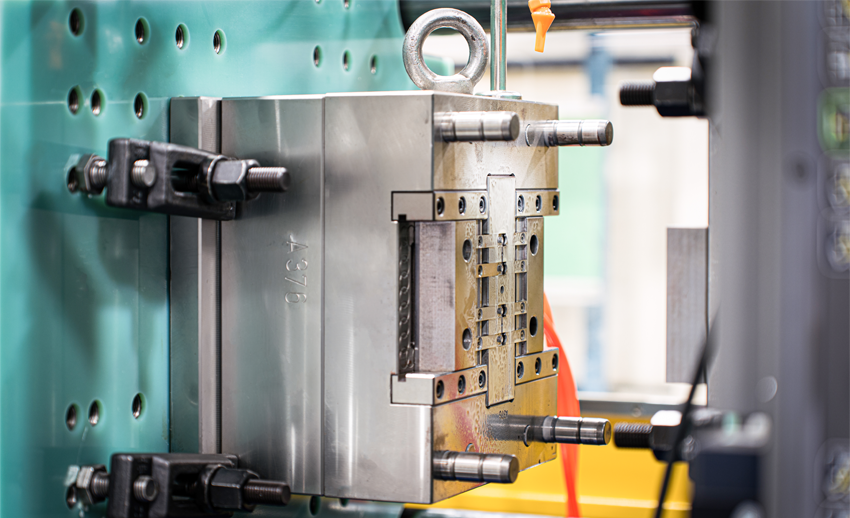
Multi-cavity production

Up to 32-cavity tools with balanced fill, warp, and shrinkage control across sensor part families.

Up to 32 cavities

Hot runner

Family mold

Expanding Markets

Injection Molding Materials for Sensor Components

Specific grades for each operating environment — not commodity selections.
pa66-gf
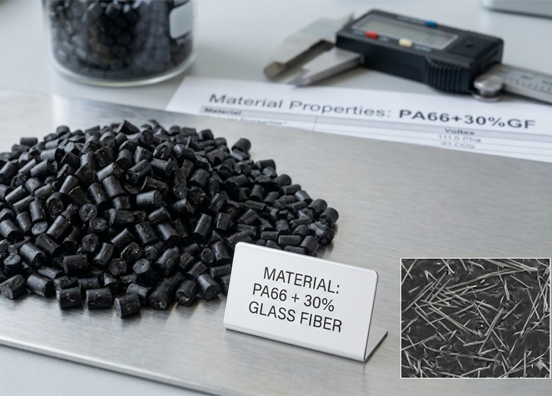
PA66 GF

−40°C to 150°C
Automotive structural

GF30 / GF50
pps
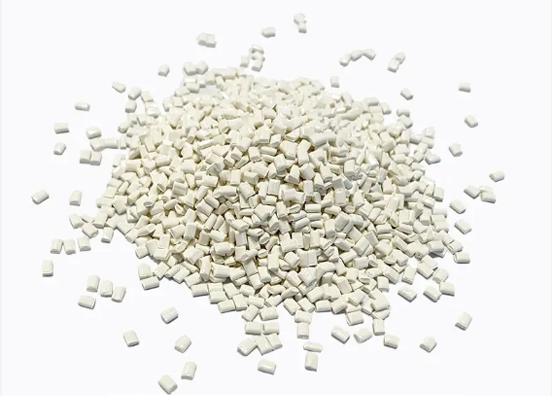
PPS

Up to 220°C
Chemical resistance

GF40 / Carbon
lcp
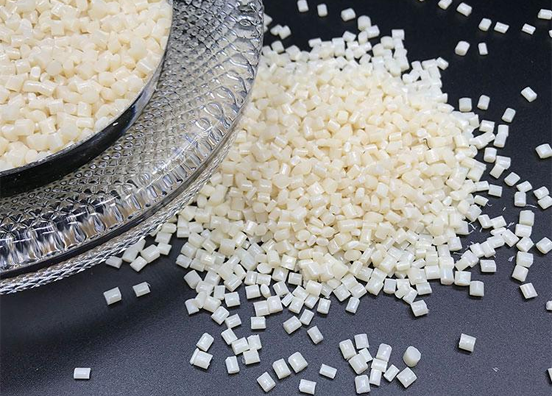
LCP

Micro precision
High-freq EMI

Vectra / Xydar
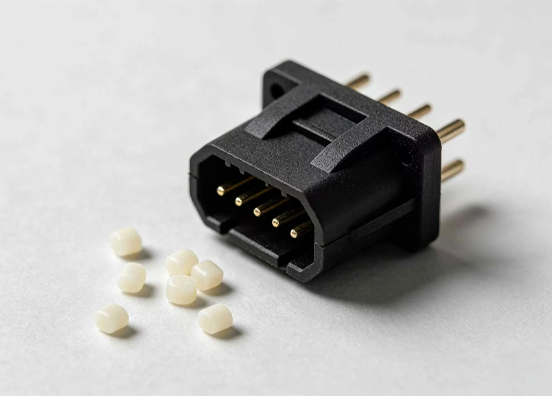
pbt
PBT / PPS

Oil & fuel resistant
Cost / performance

GF30 / Blend

Mold Capability

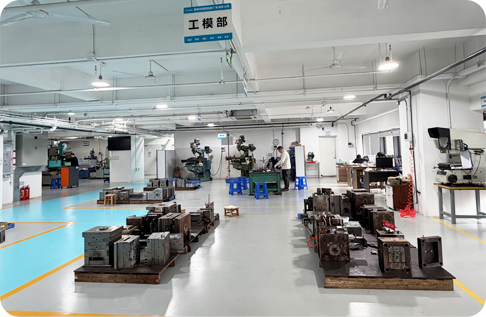
In-House Mold Development — Start to Finish

Our precision manufacturing foundation and quality systems position us to serve industries with the most demanding standards.
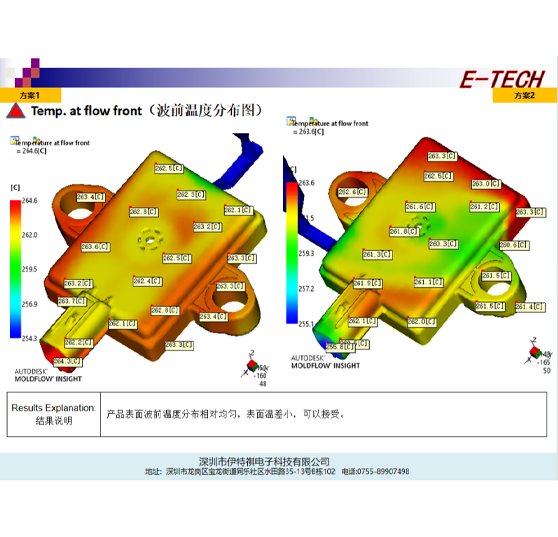
Gate, parting line, draft angle optimized for sensor geometry. DFM report issued before tool release — gate location, weld line risk, and shrink compensation all documented.
Moldex3D analysis of fill, pack, cooling, and warp before cutting steel. Sink mark and weld line locations reported and resolved at the design stage — not after T0.
In-house EDM, high-speed CNC, and surface grinding. Steel hardness HRC 48–52. Core/cavity tolerance maintained to ±0.005 mm for all critical sensor sealing features.
T0 through T2 trials run in-house. Rapid modification turnaround — 48 hrs for standard corrections. PPAP package (MSA, SPC, capability studies) prepared for AIAG Level 2/3 and VDA 2.
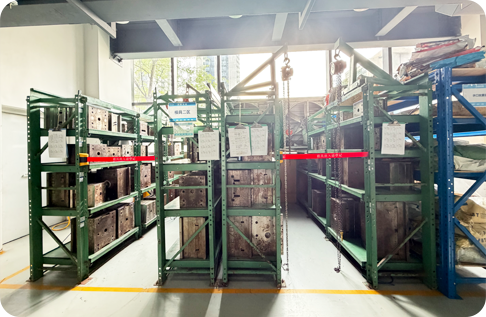
Mold life tracking, scheduled PM intervals, and condition reports provided to customers. Your tool is stored, inspected, and kept production-ready throughout its lifecycle.
48 hr
Modification Turnaround
Standard corrections completed in-house. No outsourcing delay.

Injection Molding

E-Tech Injection Molding Service Case of Sensor Parts
Customer Challenge

An automotive client needed a 30% smaller pressure sensor housing — without compromising seal integrity.

Our Solution

We redesigned the mold geometry with an FEA-validated ribbing structure and optimized gate location to eliminate weld lines.

Results

An automotive client needed a 30% smaller pressure sensor housing — without compromising seal integrity.

Expanding Markets

From Drawing to Mass Production

Stage-gate with clear deliverables — timelines you can commit to your own customers.

01
Technical Evaluation
DFM assessment, tolerance review, cost estimate.

3–5 days

02
DFM optimization
Gate proposal, weld line risk, draft angle review

3–4 days

03
Mold development
Simulation → machining → in-house control

4–6 weeks

04
Sample production
T0–T2 trials, dimensional report, dispatch

1–2 weeks

05
Product validation
Customer functional testing, FMEA, CAP/CAPA

2–4 weeks

06
PPAP approval
MSA, SPC, capability studies, PSW — AIAG / VDA 2

1–2 weeks

07
Mass production
SOP with SPC, AOI, lot-level traceability

Long-term

08
Continuous Engineering
ECO gate, yield improvement, cost-down collaboration.

Ongoing

Quality & Risk Control

Mass Production Risk — Prevented, Not Detected

Automotive sensor supply chains have zero tolerance for field failures.
Automated Optical Inspection (AOI)
CMM Dimensional Verification
SPC sampling per AQL plan, Cpk ≥ 1.67 for all critical dimensions.
Shot-level traceability
Injection parameters logged per shot. Raw material CoA linked to lot
FMEA-driven control plan
Every risk item assigned detection method, frequency, and responsible owner
IATF 16949 certified
Annual surveillance — no major non-conformities on record
sensor parts injection molding quality control

Get a Quote

Tell Us About Your Part

Talk to an engineer, not a chatbot

Send your requirements and a real application engineer will respond within one business day with feedback and pricing.

Address:
No. 101/102, W3 Bldg, Tian’an Shenchuanggu, 178 Dongshen Road, Dongguan 523690, Guangdong523000
Response Time:
Within 1 Business Day
Export Experience:
30+ Countries Served
Explore insights on sensor technologies, manufacturing processes, and industry trends.
Scroll to Top